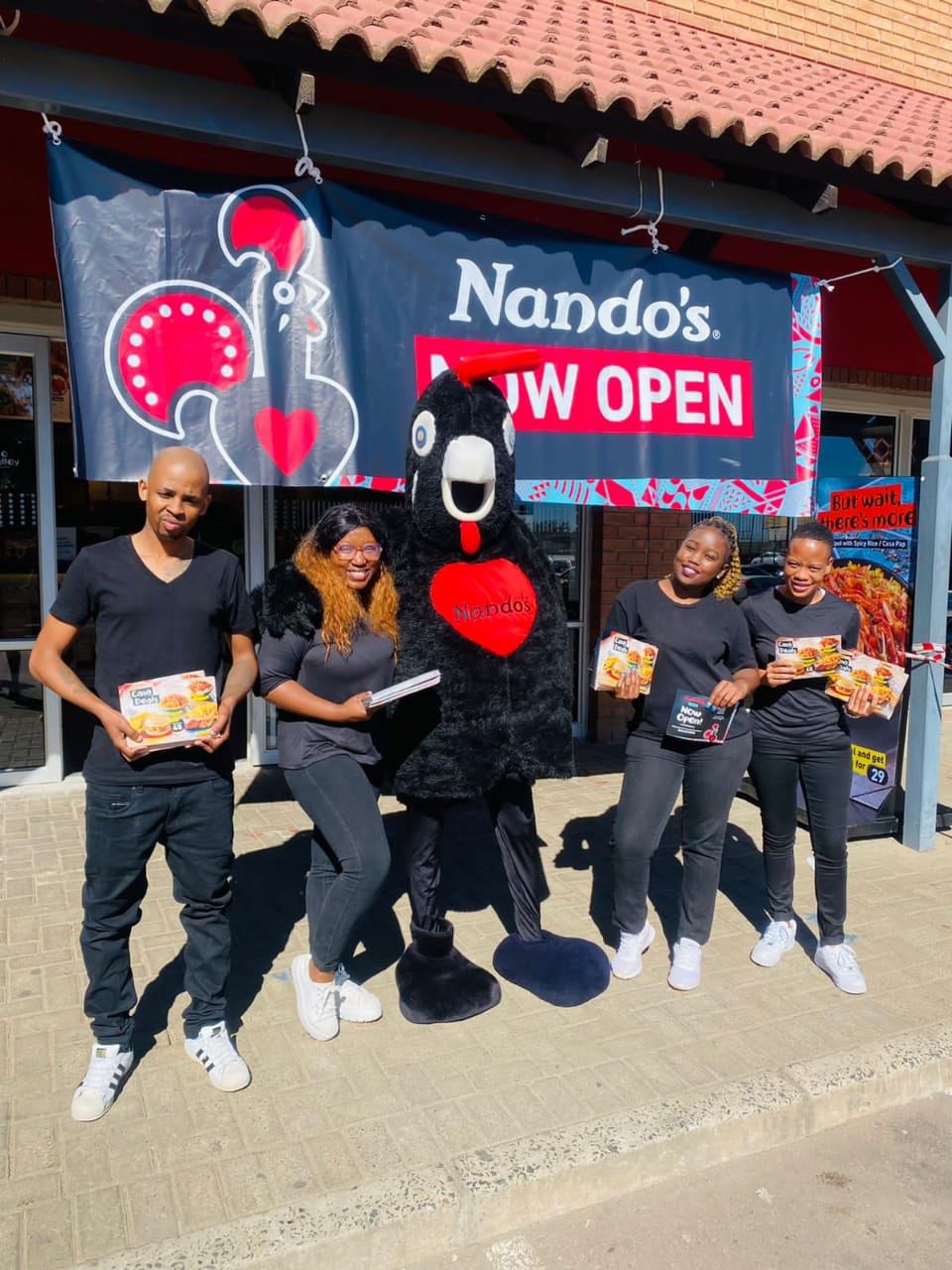
A billboard can be seen. A brand activation is experienced. That difference is why, even in a world of programmatic ad spend and algorithmic targeting, in-person brand activations remain one of the highest-converting tools available to a marketing team.
The problem with passive advertising
Passive advertising — a banner, a billboard, a pre-roll ad — asks nothing of the viewer beyond attention, and attention is the one thing modern audiences have learned to withhold. A brand activation, by contrast, invites participation. It hands someone a sample, asks them a question, gives them a reason to stop.
What makes an activation work
- The right location. An activation only works if it meets your audience where they already are — a mall entrance, a store opening, a high-traffic taxi rank.
- A trained team. The people running the activation are the brand for those few minutes. They need to know the product, the offer, and how to have a genuine conversation.
- A clear, simple call to action. Whether it's a sample, a sign-up or a scan-to-win, the next step needs to be obvious.
- Something worth remembering. The best activations give people a reason to talk about the brand afterwards — not just during.
Measuring the impact
Unlike a passive ad impression, an activation produces real, countable outputs: footfall, samples distributed, sign-ups collected, and — increasingly — organic social shares from attendees. That combination of reach and measurability is exactly why activations remain a core part of a well-rounded marketing plan.
If you're planning your next activation, get in touch — we'll help you design an experience that does more than just get seen.